Structural Engineering Blog
Learn structural design concepts and practical engineering insights.
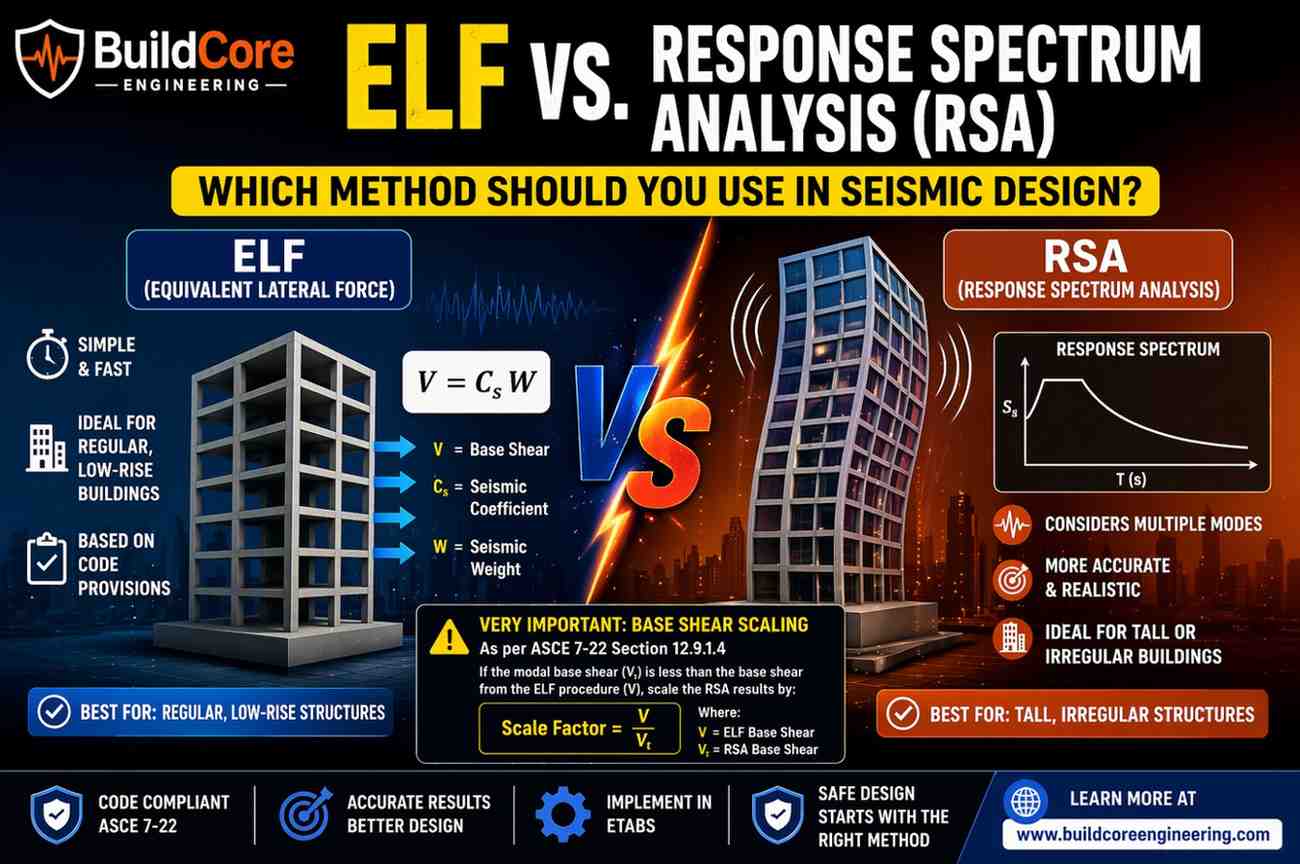
ELF vs. Response Spectrum Analysis: Which Method Should You Use in Seismic Design?
A complete comparison of ELF and Response Spectrum Analysis (RSA), when to use each method, and why RSA base shear must be scaled as per ASCE 7.
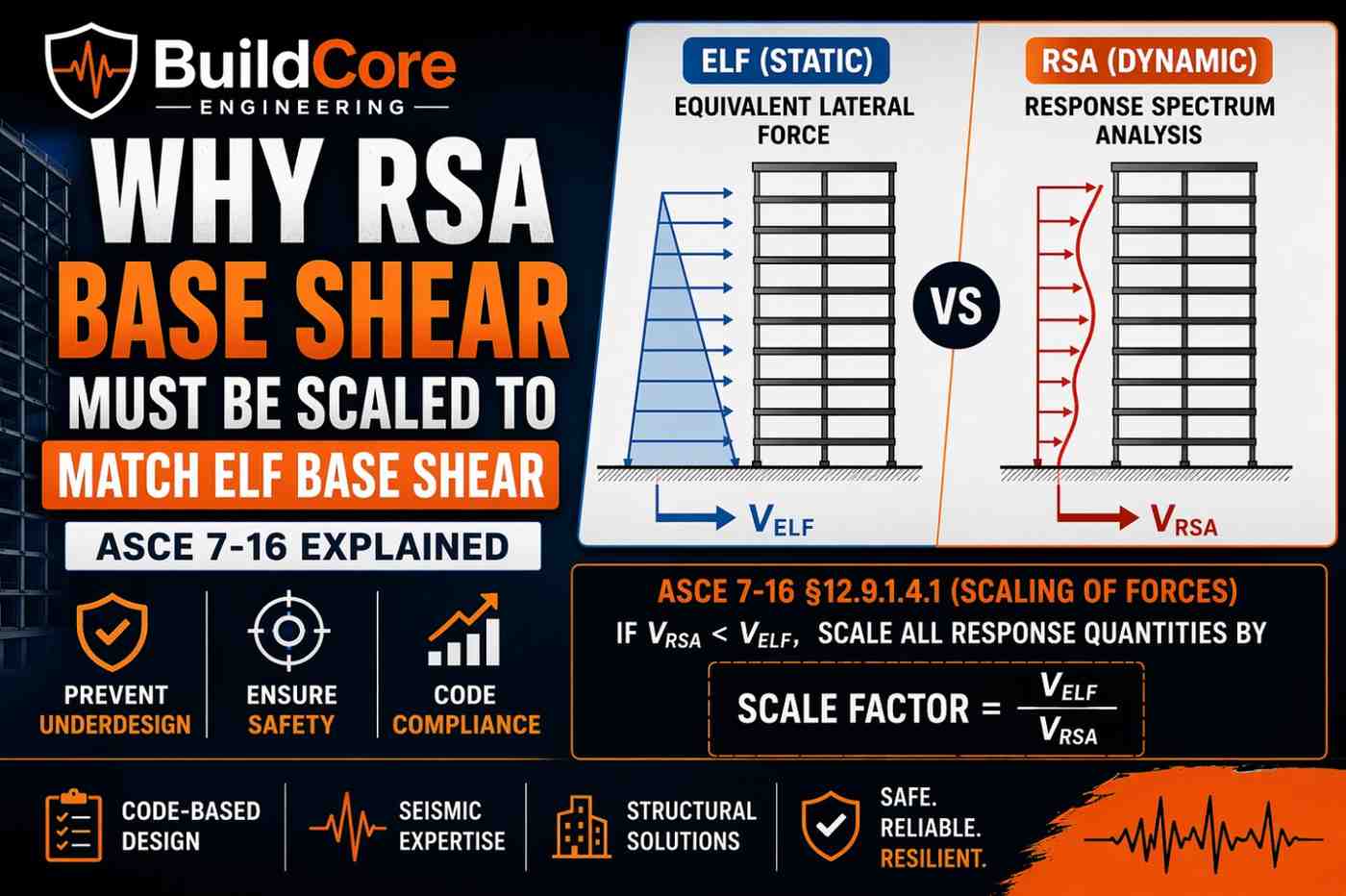
Why RSA Base Shear Must Be Scaled to Match ELF Base Shear (ASCE 7-16 Explained)
Understand why ASCE 7-16 requires Response Spectrum Analysis (RSA) base shear to be scaled to match the Equivalent Lateral Force (ELF) base shear.
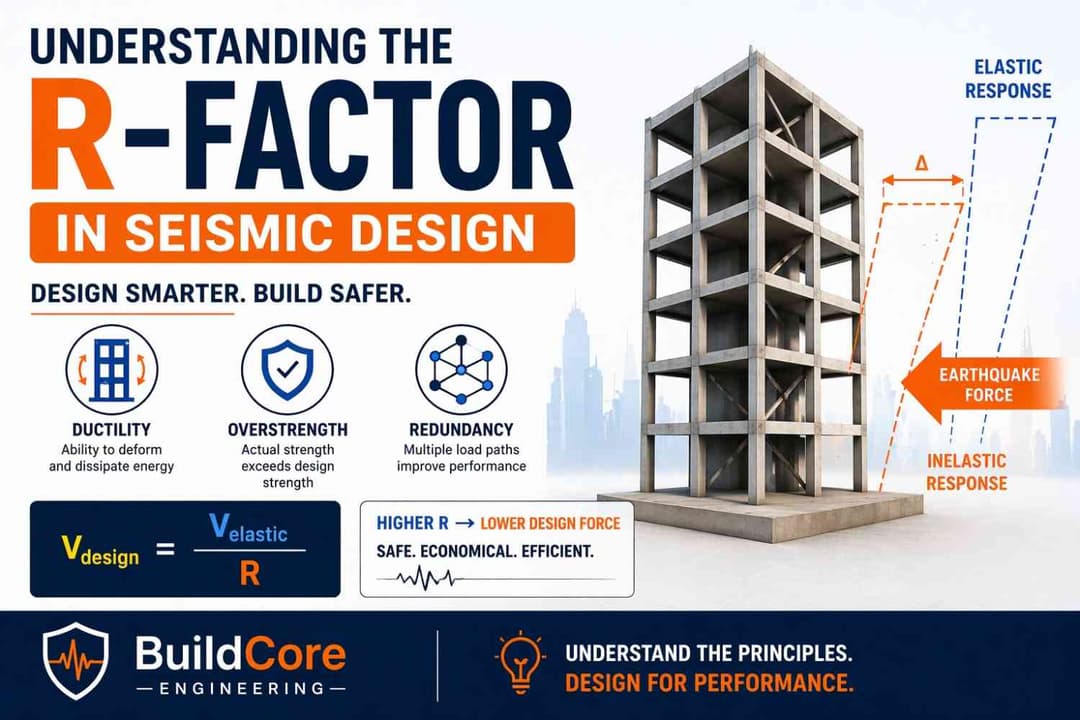
Understanding the Response Modification Factor (R) in Seismic Design
A complete guide to the Response Modification Factor (R), explaining its meaning, components, practical use, and limitations in seismic design.
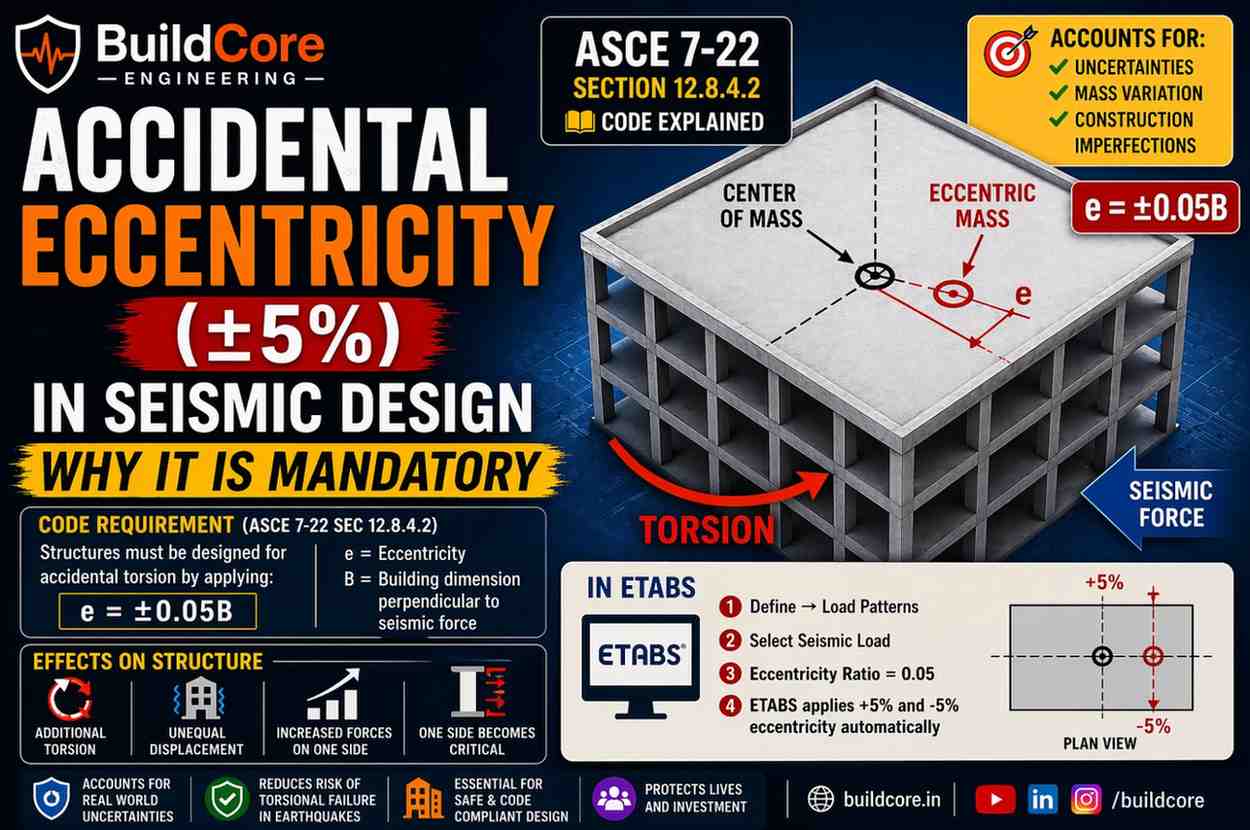
Accidental Eccentricity (±5%) in Seismic Design: Why It Is Mandatory
Learn what accidental eccentricity (±5%) is, why ASCE 7 requires it, and how it affects torsion and structural design.

How AI is Changing Structural Engineering (And What Engineers Should Know)
Discover how AI is transforming structural engineering, what it can and cannot do, and what engineers need to understand to stay ahead.
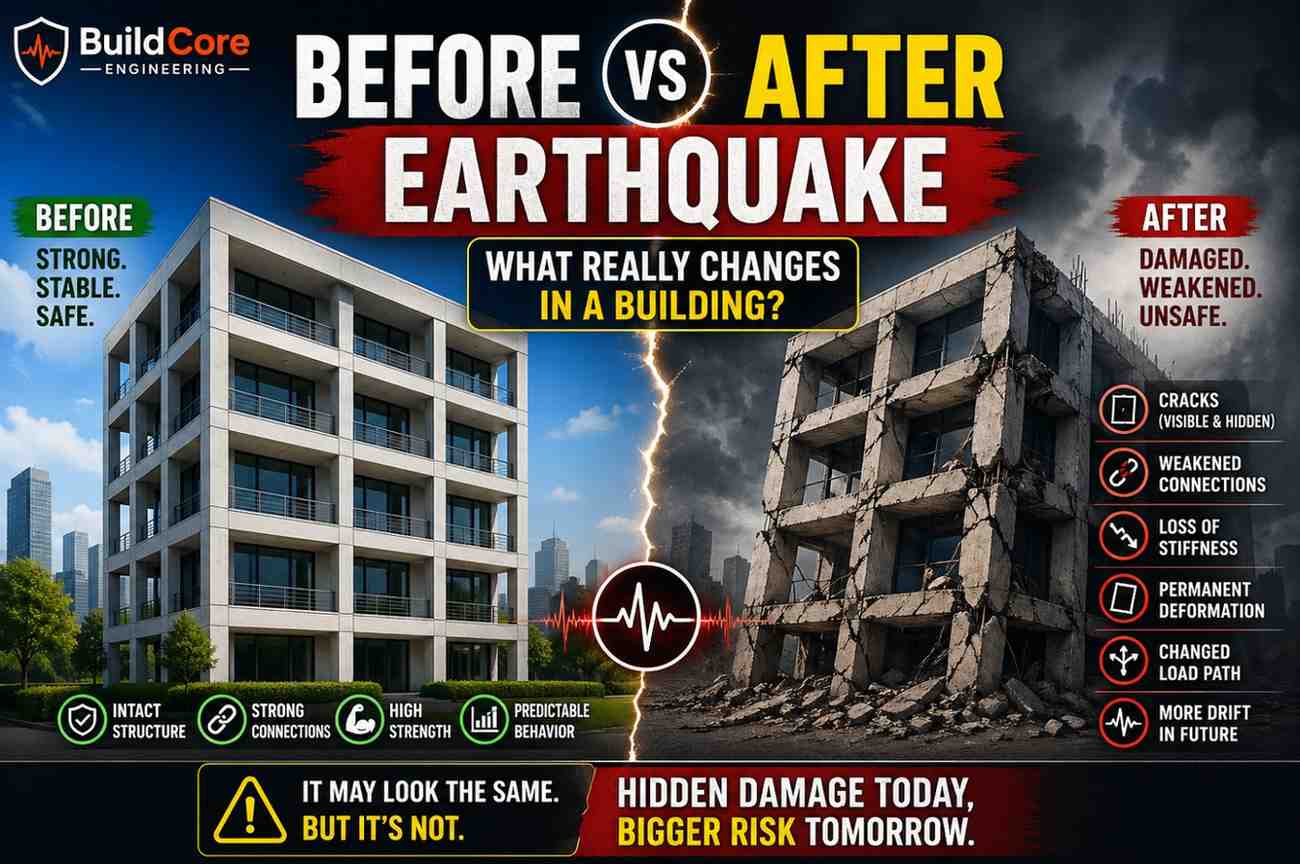
Before vs After Earthquake: What Really Changes in a Building?
Understand what really changes inside a building before and after an earthquake, including hidden damage and structural behavior.
Try Our Engineering Tools
Response Spectrum Generator
Generate the design response spectrum based on site parameters Ss and S1 according to ASCE 7-16.
Seismic Design Category Calculator ASCE 7-16
Determine the Seismic Design Category (SDC) of structures based on siteconditions, risk category, and seismic parameters in accordance with ASCE 7-16.
Seismic Base Shear Calculator
Calculate seismic base shear using the Equivalent Lateral Force (ELF) method in accordance with ASCE 7-16.